
Sardinia is more than a destination. We want to help the world truly get to know it.
WikiSardinia is built around a simple idea: making Sardinia easier to discover, understand and explore, while keeping the people and communities that make the island unique at the heart of everything we do.
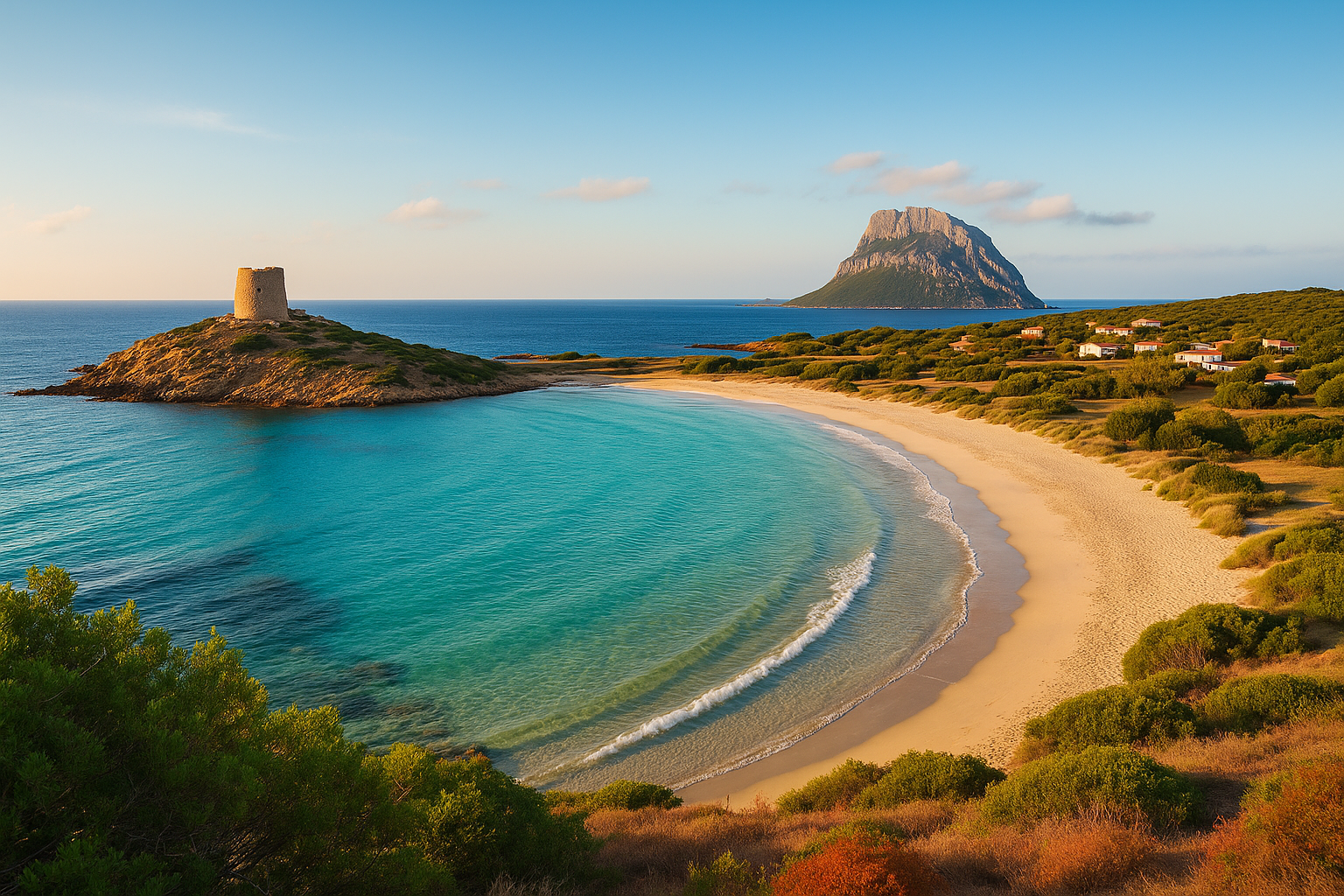
Our mission
WikiSardinia's mission is to become a trusted digital resource for anyone who wants to discover Sardinia, offering practical information, in-depth guides and content that helps people understand the island beyond its most familiar attractions.
We want to support visitors before and during their trips, answering real questions and making information easier to find, understand and use.
But our mission is not only about visitors. It is also about Sardinia itself: its culture, its towns and villages, its local businesses and the communities that call the island home.
Information people can actually use
Planning a trip involves much more than choosing a beach or booking a hotel. It means understanding how to get around, which rules apply, what services are available and what to expect once you arrive.
Someone may know where a beach is, but not whether access requires a reservation. They may have heard of a beautiful village, but have no idea how to reach it without a car. They may need medical assistance without knowing how local healthcare services work.
These are the kinds of questions WikiSardinia wants to answer. Because information becomes truly valuable when it helps someone make a decision or solve a problem.
Our editorial commitment
We aim to publish clear, verifiable and sufficiently detailed content that addresses the real needs of our readers.
When covering regulations, access restrictions, transportation, healthcare services or administrative procedures, we prioritize authoritative sources: public institutions, local authorities and the organizations responsible for providing those services.
We pay particular attention to the difference between general rules and local requirements, seasonal conditions and information that may change over time.
We do not want to present unverified information as established fact. When details are incomplete or depend on specific circumstances, our goal is to explain those limitations clearly.
Making Sardinia understandable to the world
WikiSardinia also serves an international audience. That is why we develop content in English, making information more accessible when it would otherwise be available mainly in Italian.
This goes beyond translating words. Many aspects of everyday life in Italy require an explanation of how they actually work.
A limited traffic zone, a public beach, a tourist healthcare service or a local municipal regulation may be unfamiliar concepts to someone visiting from another country.
We want to make this information understandable without oversimplifying it or losing important details. Understanding local rules and customs is also part of respecting the places we visit.
Sardinia beyond the postcards
Sardinia's beaches and coastline are extraordinary, but they tell only part of the island's story.
There are inland villages, centuries-old traditions, archaeological sites, local crafts, rural landscapes, distinctive food cultures and communities that preserve knowledge passed down through generations.
We want to give these places and stories the attention they deserve, without turning every location into a tourist attraction or forgetting that real people live and work there.
Telling the story of a place also means respecting its complexity, its traditions and its everyday life.
A project that also wants to support Sardinians
We believe that promoting a destination should create opportunities for the people who live and work there throughout the year.
We hope to help more people discover small businesses, cultural initiatives, local producers, villages and communities that often receive less attention than Sardinia's best-known holiday destinations.
We want to encourage visitors to explore the island beyond the busiest months, highlighting experiences and local activities that exist throughout the year.
We do not believe that an editorial project alone can solve the challenges facing tourism or Sardinia's inland communities.
But we can contribute in our own way: by sharing knowledge, explaining local realities, bringing attention to lesser-known places and connecting curious visitors with the people who shape Sardinia's identity every day.
Our Numbers: The First Three Months
In its first three months, WikiSardinia began reaching readers well beyond the island. What started as a project dedicated to Sardinia is gradually finding an audience across different countries and cultures.
Audience Growth
August to October 2026
International Reach
Leading countries, October 2026
Visual summaries based on August–October 2026 analytics. Relative proportions are approximate; absolute traffic figures are intentionally not displayed.
These early results encourage us to keep building a resource that makes Sardinia more accessible to an international audience, while staying connected to the island and its communities.
What we want to build
WikiSardinia is an evolving project. There are still countless subjects to explore, places to document and pieces of information that could be made easier to access.
We want to keep improving our guides, expanding our coverage of the island and creating new opportunities for local communities and businesses to participate.
Our ambition is for WikiSardinia to become a meeting point between the questions of those arriving on the island and the knowledge of those who live here.
We do not simply want to present Sardinia as somewhere to visit. We want to help people understand, respect and appreciate it.
Sardinia, explained to the world.
Practical information, local knowledge and a genuine commitment to the people who make the island what it is.
This is the mission of WikiSardinia.