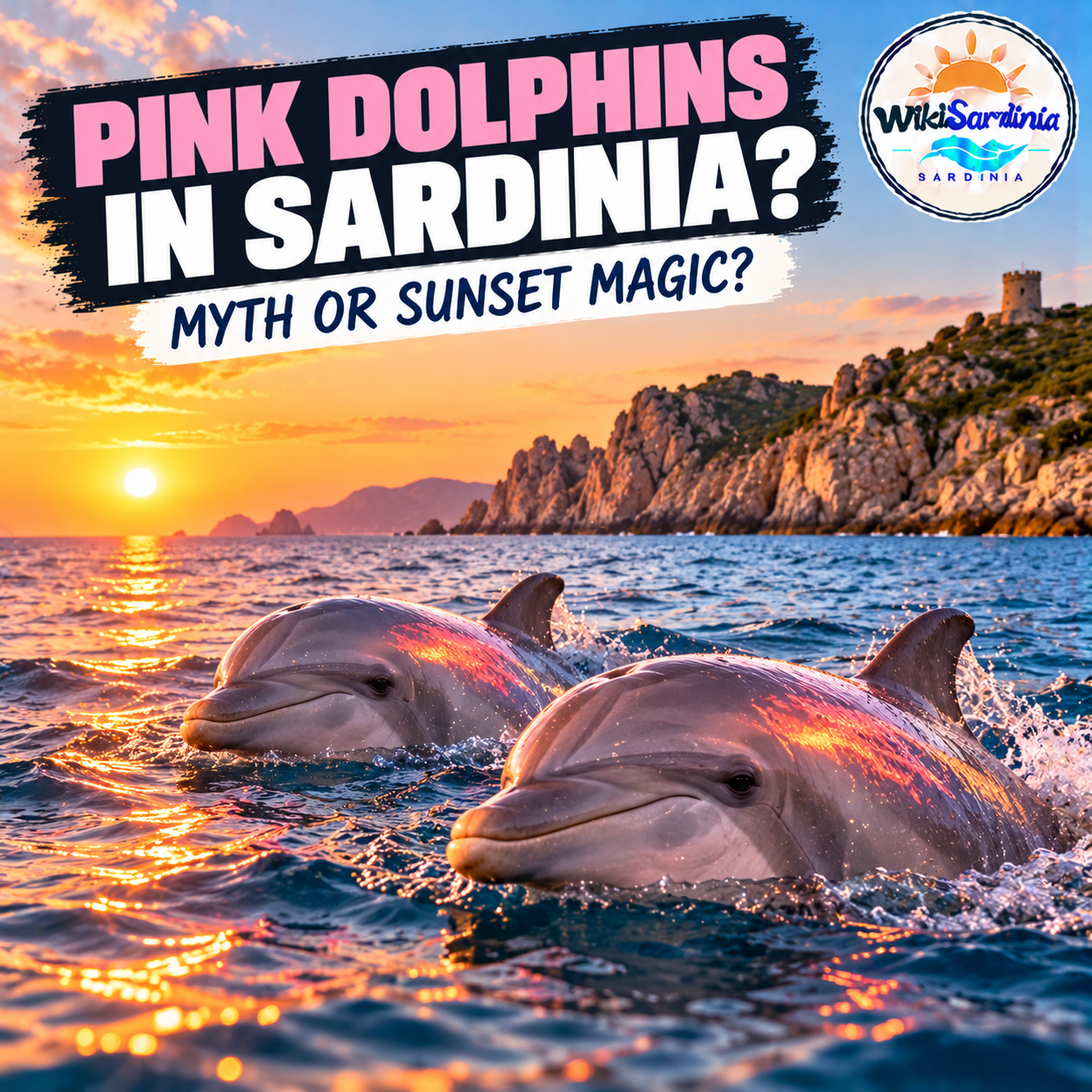
Have you heard that Sardinia has pink dolphins? The short answer is no established population of naturally pink dolphins is known in Sardinian waters. The island is home to dolphins such as bottlenose dolphins and striped dolphins, which are generally grey with lighter markings. At sunset, however, warm reflections can make their wet skin and the surrounding sea look pink or rose-gold in photographs.
Where do real pink dolphins live?
The name “pink dolphin” usually refers to animals found far from the Mediterranean. The Amazon river dolphin lives in freshwater systems in South America and can become pinkish as it matures. Indo-Pacific humpback dolphins also occur in parts of Asia, where some populations are known for their pale pink appearance. These are different species with different habitats; they are not a native pink-dolphin population in Sardinia.
Why can Sardinian dolphins look pink at sunset?
Near sunset, sunlight travels through more of the atmosphere and often takes on warmer orange, red and pink tones. Those colours reflect off the sea, splashes and the shiny surface of a dolphin as it emerges from the water. Camera exposure and white balance can intensify the effect, so a normally grey dolphin may appear pinkish in a photograph without having pink skin.
This is a lighting effect, not evidence of a separate species or a permanent colour change. If the same animal is seen in neutral daylight, its typical grey colouring is usually much clearer.
Where can you see dolphins in Sardinia?
One well-known area for dolphin watching is the coast around Golfo Aranci and the islet of Figarolo, in north-eastern Sardinia, where bottlenose dolphins are monitored year-round. Dolphins can also be encountered elsewhere around the island, although sightings are never guaranteed.
Choose a responsible operator that follows wildlife-watching guidance. Keep a respectful distance, never chase or surround the animals, and avoid anyone promising a guaranteed close encounter or an organised swim with wild dolphins.
How to photograph dolphins in golden light
- Look for late-afternoon light: golden hour can create warm reflections without changing the animal’s actual colour.
- Expose for the highlights: bright reflections on water can fool a camera’s meter, so check that the sea and sky are not blown out.
- Keep a natural white balance: avoid heavy filters that make grey skin look artificially pink.
- Respect the wildlife: photograph from a legal, responsible viewing distance and never direct a boat towards a dolphin for a better shot.
The truth about Sardinia’s “pink dolphins”
Sardinia has remarkable marine wildlife, but pink dolphins are not a recognised local species. What people may describe as pink is usually the effect of sunset light, wet skin and photographic colour. If you want to see real dolphins, the waters around Golfo Aranci and Figarolo are a good place to learn about the island’s marine mammals—just remember that wild encounters always depend on nature.
Further reading: Whale and Dolphin Conservation — Pink dolphins; SEA ME Sardinia — Bottlenose dolphin research project.