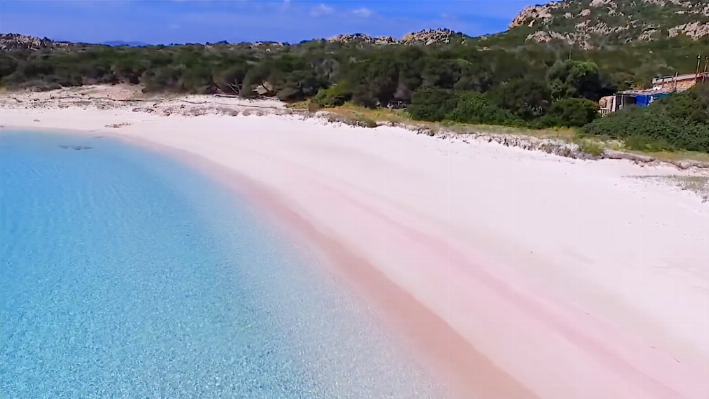
Cardedu’s coast returned to the spotlight after new loggerhead turtle hatchings. In the early hours of September 8, 2026, several hatchlings that had emerged from the sand at Museddu beach moved away from the sea toward artificial lights near the shore.
A resident’s report prompted an intervention by Sardinia’s Forestry and Environmental Surveillance Corps. Officers recovered turtles in difficulty and followed tracks in the sand to locate a nest that had not previously been recorded.
The twelfth nest identified in Sardinia in 2026
The Museddu nest was reported as the twelfth Caretta caretta nest identified in Sardinia during 2026. Its discovery only after hatching shows how difficult it can be to detect nesting activity on busy summer beaches.
Cardedu had already seen a similar episode on August 23, when at least 50 hatchlings emerged from another unrecorded nest near a beach kiosk. In that case, artificial lighting also drew the turtles away from the water until people at the site alerted the authorities and the lights were switched off.
Why artificial light is a problem
After hatching, young turtles need to reach the sea quickly. Under natural conditions, the brighter marine horizon helps guide them. Strong lights from kiosks, roads or buildings can pull them in the opposite direction, increasing the time they spend exposed on the sand.
Authorities therefore recommend reducing artificial lighting on beaches during hatching periods. Visitors should not handle turtles or illuminate them for photographs. Suspected nests, tracks or animals in difficulty should be reported promptly to the competent authorities; Sardinia’s Forestry Corps uses the environmental emergency number 1515.
The Cardedu episodes are a reminder that protecting marine turtles depends not only on designated conservation areas, but also on the everyday behavior of businesses, residents and beach visitors.