Caprera and Spargi are natural choices for travelers who want to experience the La Maddalena Archipelago from the water in 2026, whether by kayak, sailing boat or a combination of the two. But there is an important distinction hidden behind searches such as “La Maddalena to Caprera ferry”: ordinary visitors do not need a ferry between the two islands. Caprera is connected directly to La Maddalena by road, while Spargi is an uninhabited island reached by sea.
The distinction matters when planning an active day in the National Park of the Archipelago of La Maddalena. Caprera works particularly well for land-and-sea itineraries because visitors can reach it independently and then explore selected coastal areas. Spargi, by contrast, is fundamentally a boating destination, making sailing and organized excursions the practical way to reach its coves before kayaking or swimming where conditions and regulations permit.
La Maddalena to Caprera: you cross by road, not ferry
Travelers first reach La Maddalena island by scheduled ferry from Palau. From there, Caprera is linked to the main island by the Passo della Moneta causeway, roughly 600 metres long. Cars, bicycles and local transport can cross the connection, although access and parking around Caprera’s most popular areas can become constrained during the summer.
This makes Caprera unusually accessible for an island inside an archipelago famous for boat trips. Visitors can combine its pine forests, granite landscape and historical sites associated with Giuseppe Garibaldi with time along the coast. Anyone specifically searching for a “La Maddalena to Caprera ferry” should therefore plan the Palau–La Maddalena ferry first and then continue overland to Caprera.
There are exceptions for specific organized services. The Centro Velico Caprera, for example, operates dedicated transport for its course participants between La Maddalena and its Caprera base. That is not the normal public connection tourists need for a day visit.
Why Spargi suits a sail-and-kayak day
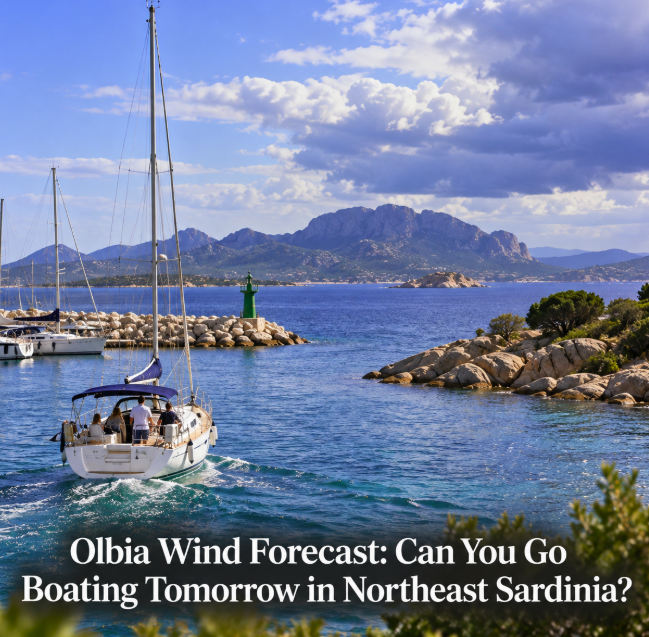
Spargi has no road connection and no town. Its appeal is precisely its maritime setting: granite shores, small coves and clear water within the protected archipelago. Sailing boats can make an especially attractive platform for a day here because they allow visitors to move between islands while reducing engine use when under sail, and the National Park applies a 40% reduction to its pleasure-boating entry fee for sailing vessels.
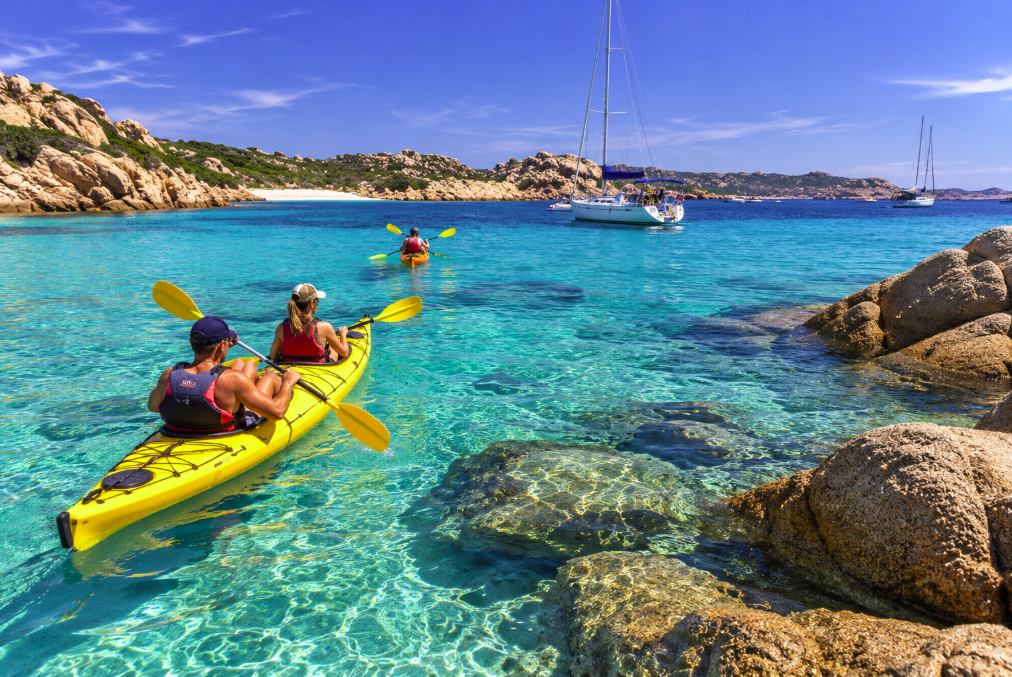
Kayaks are also treated differently from ordinary pleasure craft under current Park rules. The National Park states that kayaks, along with several other small non-motorized craft, are exempt from the boating entry fee. That does not mean paddlers can ignore zoning, safety restrictions or rules governing sensitive areas. An organized kayak excursion should be chosen with the same attention to authorization and local knowledge as a conventional boat trip.
For visitors without their own equipment, one practical approach is to choose an authorized excursion that combines sailing with opportunities for swimming, snorkeling or paddling. The National Park publishes a 2026 list of authorized passenger-transport companies and itineraries, updated during the season. Checking that list is more reliable than assuming every online excursion advertised for the archipelago operates under the same permissions.
New navigation rules matter in summer 2026
The 2026 season comes with updated maritime rules. La Maddalena Harbour Authority Ordinance No. 33/2026, issued on 2 April, introduces experimental navigation, mooring and maritime-activity measures for the summers of 2026 and 2027. The seasonal provisions apply from 1 June through 30 September and cover National Park waters and immediately adjacent areas.
The rules are designed around navigation safety and environmental protection, particularly the protection of Posidonia oceanica seagrass meadows. Visitors chartering or renting a boat should therefore resist the temptation to treat every turquoise bay as a free anchoring spot. Where a vessel can navigate, stop or anchor depends on the applicable zone and current regulations.
The Park also requires authorization for pleasure boats entering its waters to navigate, moor or anchor within 300 metres of the coast. Buying the relevant permit online gives private users a 5% reduction on applicable entry fees, while sailing boats receive the separate 40% reduction specified by the Park. Commercial rental and excursion activities have their own authorization regime.
Planning an active day around Caprera and Spargi
Caprera and Spargi should not necessarily be squeezed into the same itinerary. Caprera deserves time on land as well as on the water, while Spargi makes more sense as part of a maritime route through the archipelago. Travelers who have two days can use one for Caprera by road, bicycle or guided activity and reserve another for a sailing excursion that includes Spargi according to weather and the operator’s authorized itinerary.
Weather is a serious planning factor. The mistral can transform conditions quickly in northern Sardinia, and a kayak outing that looks easy on a calm morning can become inappropriate when wind and sea state change. Guided trips have an advantage for visitors unfamiliar with the archipelago because local operators can adapt routes to conditions rather than committing to a fixed crossing simply because it appeared on an online itinerary.
For summer 2026, the most useful rule is to plan around the protected area rather than treating the National Park as a collection of unrestricted beaches. Reach Caprera over the causeway, use authorized operators for excursions, verify permits when taking a private or rented boat, and check the day’s weather before paddling. Done carefully, combining sail and kayak offers one of the most direct ways to appreciate why Caprera and Spargi remain among the defining islands of northern Sardinia.