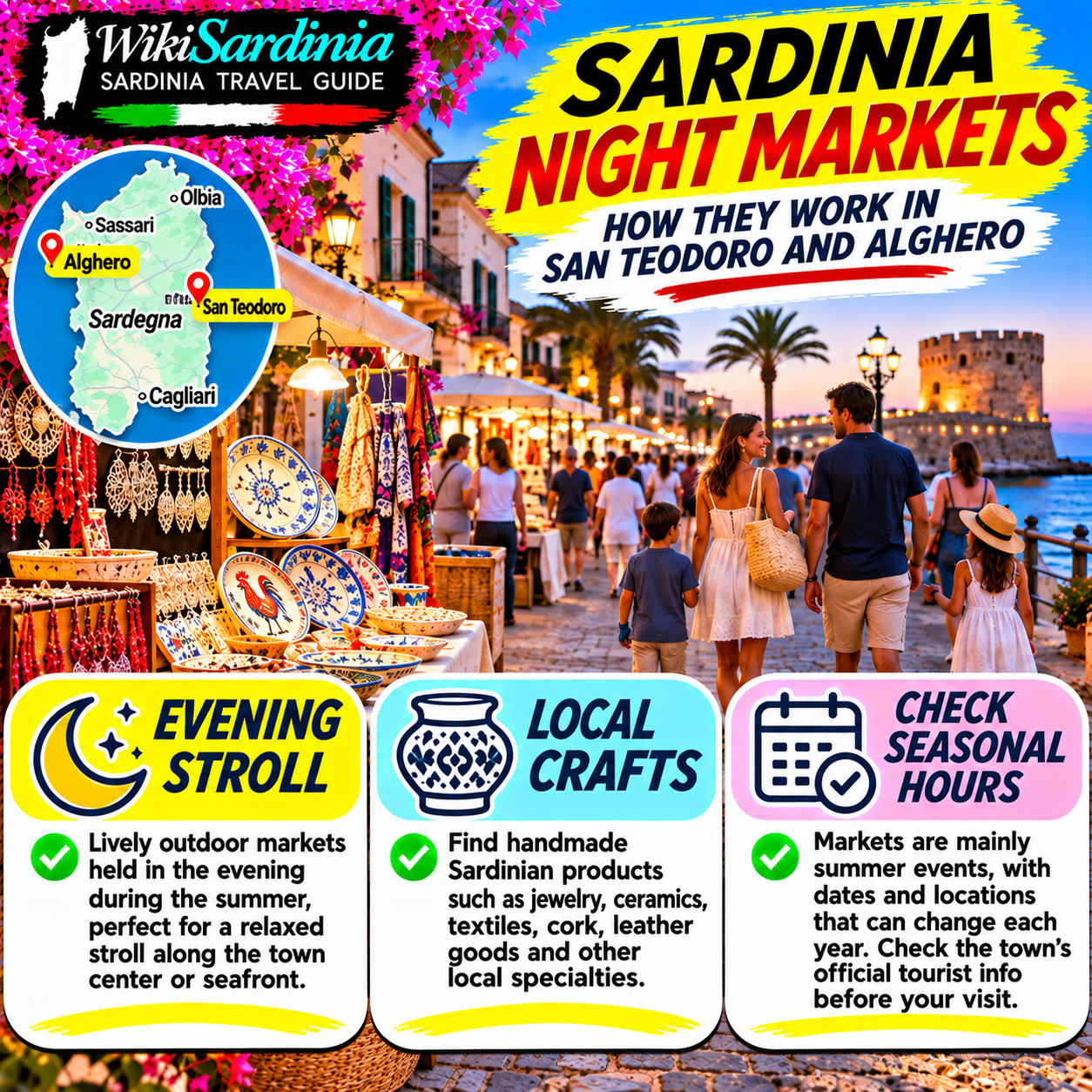
Summer night markets, or mercatini serali, are a favorite way to spend an evening in Sardinia's coastal towns. After a beach day, streets and promenades fill with stalls selling jewelry, crafts, clothes and souvenirs, often alongside restaurants, gelaterias and street entertainment. San Teodoro's well-known Coclearia market and Alghero's seasonal Lungomare Dante market are two useful examples, but their layouts, opening dates and rules differ. These are seasonal markets, not permanent nightly attractions throughout the year.
How do Sardinian night markets work?
Rather than a single indoor market hall, a mercatino serale generally consists of independent traders and artisans occupying authorized pitches along streets, squares or waterfront areas. Visitors walk freely among the stalls and purchase directly from sellers. There is normally no admission ticket to browse the public market area. Vendors may sell their own handmade products, goods sourced elsewhere or a mixture, so a stall's presence at a craft market does not automatically prove every object was made in Sardinia. Municipalities regulate market spaces, hours and access, and events may be modified or suspended for safety, weather or competing public activities.
San Teodoro: the Coclearia night market
The Coclearia market is a signature summer attraction in San Teodoro, on Sardinia's northeastern coast. The municipality describes how the town center becomes pedestrianized on summer evenings, with a longstanding artisan market, shopping, live entertainment and restaurants. Published visitor information places the stalls along Via Sardegna, Via dei Gerani, Largo dei Platani, Piazza Gallura, Largo Emilio Lussu, Via Don Gavino Pes, Via San Francesco and Via del Tirreno. These are examples of the established market area, not a guarantee that every street will have stalls on every date. The name Coclearia is linked to a historic term associated with a shell, the market's symbol.
When is Coclearia open?
San Teodoro's municipal market regulation provides for the summer season in June, July, August and September, while specifying that the exact starting and ending dates and hours are established by a separate mayoral measure. Tourism descriptions have advertised evening hours beginning around 8:00–8:30 p.m. and extending late into the night, sometimes around 2:00 a.m. These are historical or promotional indications, not confirmed opening hours for every night of 2027 or later. In 2026 the municipality also published a separate allocation for hobbyist and creative stalls, and late-September reporting described an Arti e Mestieri market continuing after Coclearia ended. Check which market is actually operating on your travel date.
Alghero: the Lungomare Dante seasonal market
Alghero's Lungomare Dante hosts a regulated seasonal market for itinerant trades, manual crafts and similar activities. A municipal ordinance issued in May 2025 refers to 27 pitches and the established seasonal period from April 1 through October 15, subject to the municipality's actual ordinances and possible adjustments. Earlier rules specified evening trading from 6:00 p.m. to 2:00 a.m., while later measures also considered morning trading. Do not treat those older hours as a guaranteed current timetable. The seafront location makes this an appealing addition to an evening walk, but visitors should check municipal updates before relying on particular dates, pitches or hours.
Is Alghero's night market the same as the old town shops?
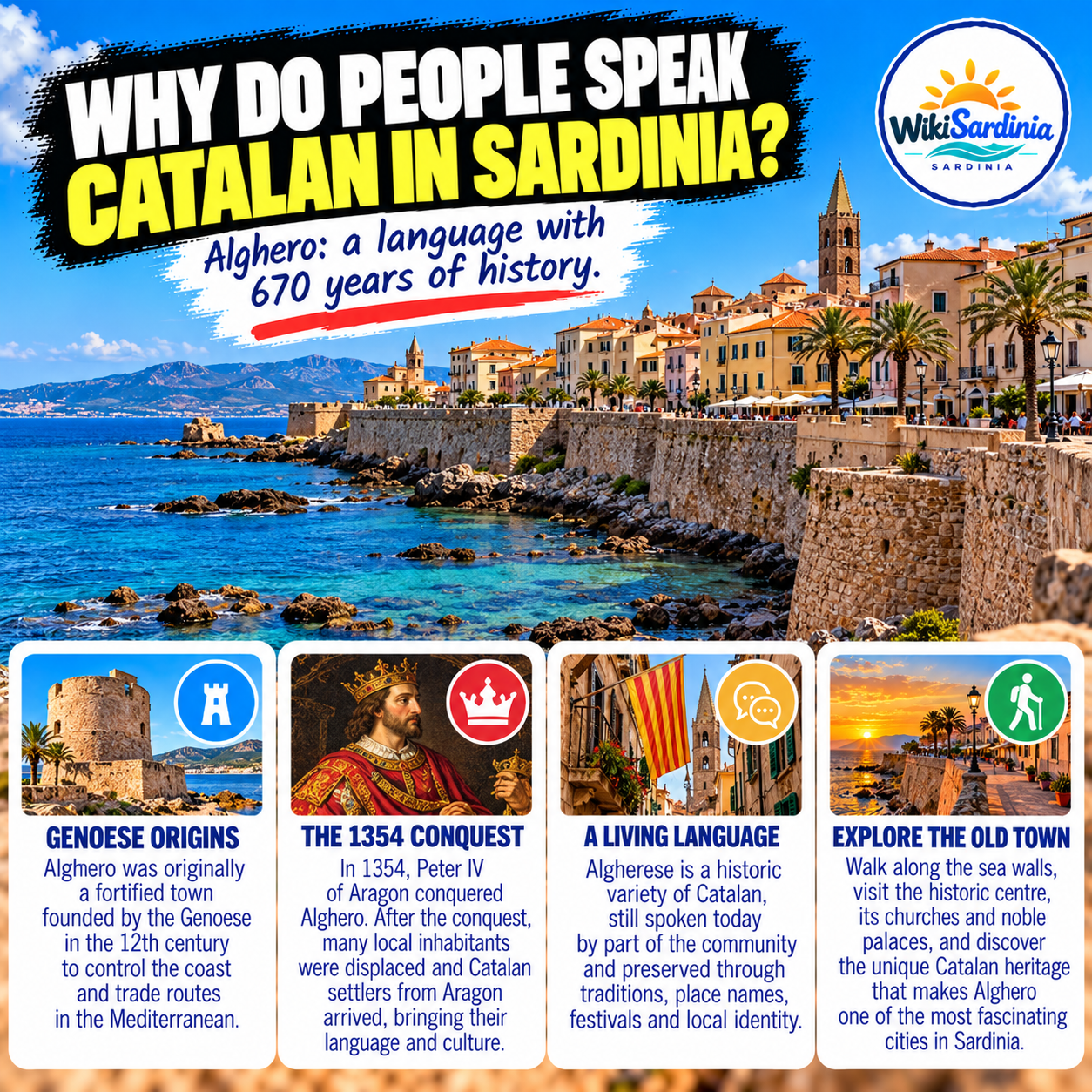
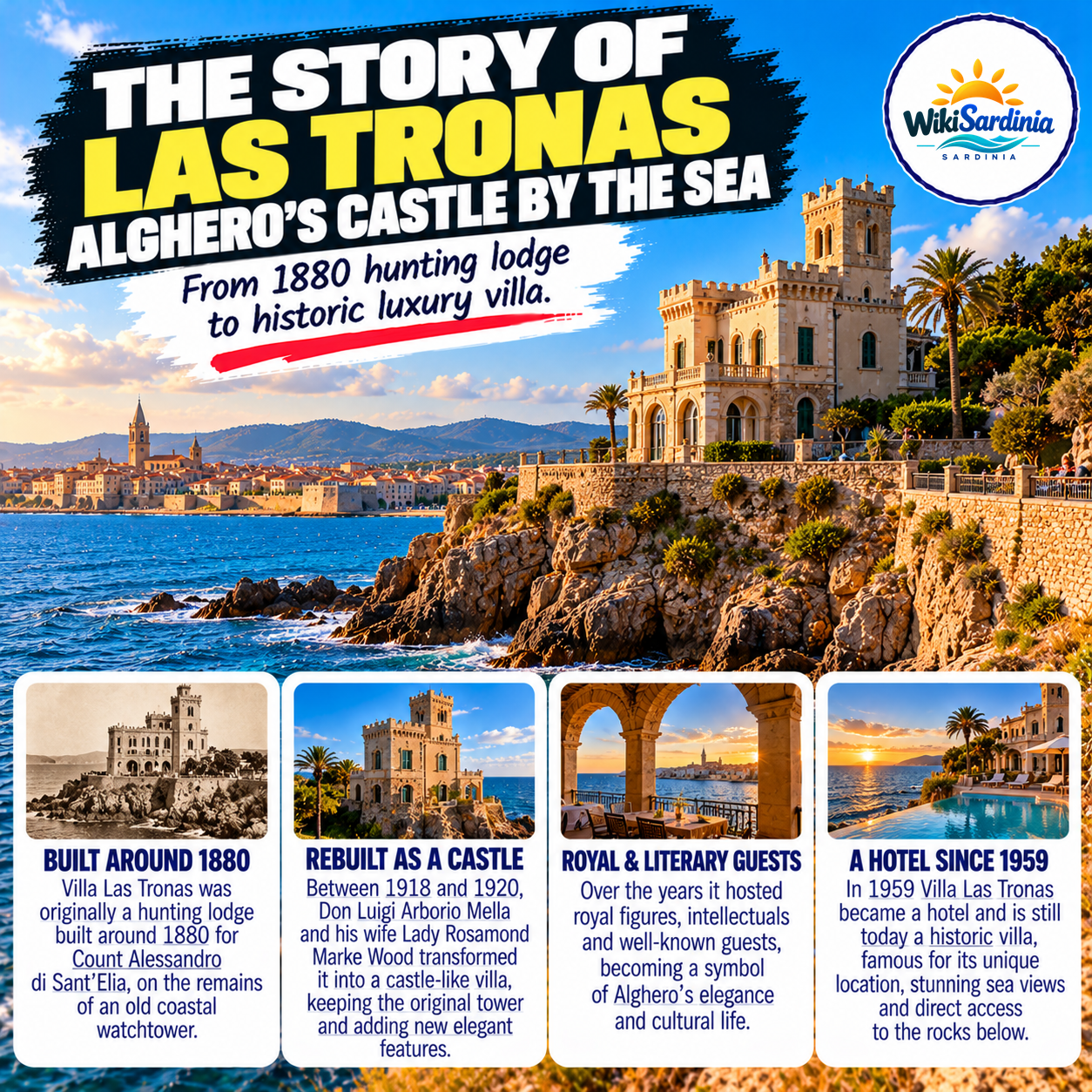
No. Alghero's historic center has permanent shops, restaurants and craft retailers that may stay open late in the tourist season. A regulated seasonal stall market is a distinct activity with its own designated area and authorization rules. You can combine a stroll through the old town with the waterfront, but do not assume all evening vendors are part of one official market or that all businesses close at the same hour.
What can you buy?
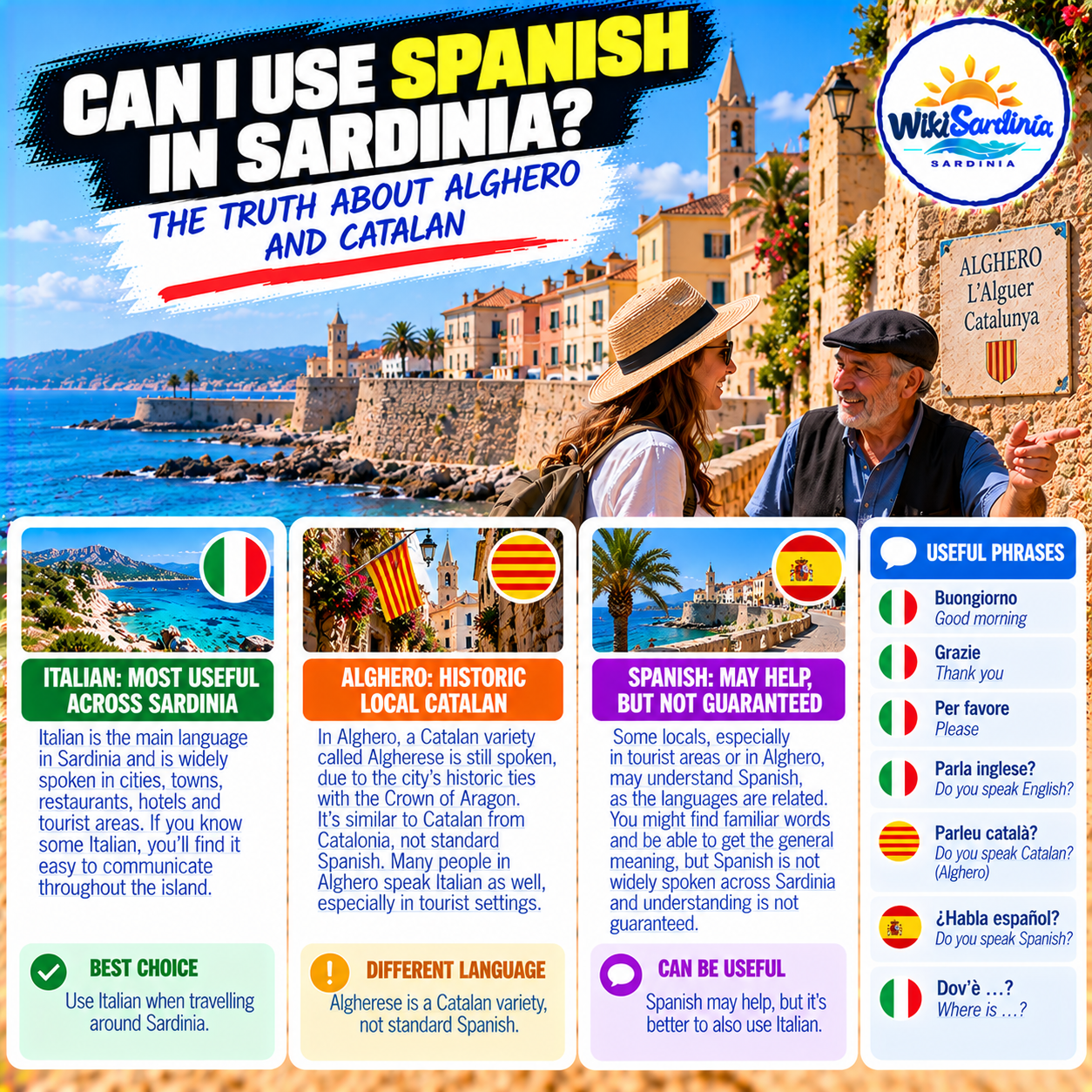
Expect a changing mix of handmade jewelry, costume jewelry, small ceramics, textiles, cork products, decorative items, clothing, accessories, soaps and souvenirs. Some stalls feature Sardinian-inspired motifs, while others offer goods from elsewhere in Italy or abroad. If you are looking for an authentic locally made object, ask “È fatto a mano in Sardegna?” (Is it handmade in Sardinia?) and “Chi lo ha realizzato?” (Who made it?). For gold, silver or coral jewelry, ask about material, origin and documentation rather than relying on an attractive display.
Are these food markets?
Not primarily. Many evening markets focus on crafts, gifts and accessories, although food-related stalls or nearby vendors may appear depending on authorization and event design. San Teodoro's market is surrounded by restaurants, bars and gelaterias, making dinner and a market stroll an easy combination. If you want fresh produce, fish or groceries, look for a town's daytime civic or weekly market instead; these operate under different schedules and may be in different locations.
Do you need cash, or can you pay by card?
Some traders accept contactless cards or mobile payments, while others may prefer cash, especially for small purchases. There is no verified universal payment policy for all stalls. Carry a modest amount of euros and ask before ordering. Request a receipt when appropriate, especially for expensive or fragile goods. If your foreign card terminal offers EUR or USD, paying in EUR will generally avoid the merchant's Dynamic Currency Conversion rate, although your card issuer may still charge fees.
Are prices negotiable?
Prices are usually displayed or quoted by the seller. A polite question about a discount on multiple items may be acceptable, but aggressive bargaining is not an essential or expected part of every Italian artisan market. Handmade work reflects time and skill; if the price is beyond your budget, thank the seller and move on. Do not assume an unmarked item is inexpensive, and confirm the price before a custom inscription or alteration.
Are night markets suitable for children and strollers?
Yes, many families enjoy a relaxed evening stroll, particularly after the hottest part of the day. However, popular streets can become crowded, and historic paving or temporary stall layouts may be challenging for double strollers or wheelchairs. Keep young children close, agree on a meeting point and carry water. Check for traffic restrictions and accessible routes at the exact market location. Pedestrianization does not mean emergency or service vehicles can never enter.
Where should you park?
In San Teodoro, the central market streets become pedestrian areas during the event, so plan to park outside the restricted zone in a lawful space and walk in. In Alghero, use authorized public parking and check blue-line payment signs, resident restrictions and any seasonal traffic changes. Do not rely on a parking lot or free space being available on busy August evenings. Walking from nearby accommodation can be easier than driving into a crowded town center.
What time should you arrive?
For a typical summer evening, arriving after dinner or around the beginning of the advertised market period gives you time to browse. Earlier evenings may be easier with toddlers; later hours may be livelier and more crowded. In San Teodoro, historic promotional schedules often begin around 8:00–8:30 p.m.; in Alghero, consult the applicable Lungomare Dante ordinance. Avoid making a special journey based solely on a blog post that does not specify its year.
What about rain, wind and wildfire-related restrictions?
Outdoor stalls can be affected by strong winds, storms, municipal safety measures and other disruptions. A published seasonal calendar is not a promise that every vendor will operate regardless of conditions. Check local announcements on the day, particularly during unusual weather. Follow instructions from market staff or municipal police if streets or pitches are closed.
How can you tell if a souvenir is genuinely Sardinian?
Ask for the maker's name, workshop location and material. Traditional crafts may include filigree, woven textiles, ceramics and cork work, but mass-produced products can use the same motifs. A vendor may be an authentic artisan from another region; that is not the same as a locally made Sardinian object. For higher-value purchases, get a receipt with a clear description and ask about returns or international shipping before paying.
How do you check dates and opening hours?
For San Teodoro, start with the municipality's center and market information, then check current municipal announcements and the local tourist office. The municipal regulation states that exact dates and hours depend on official measures. For Alghero, consult the Comune di Alghero's market ordinances and tourism notices for the relevant season. Information published for 2025 or 2026 is useful background but should not be represented as a confirmed 2027 calendar.
Useful Italian phrases
“A che ora apre il mercatino serale?” — What time does the night market open? “È aperto anche domani?” — Is it open tomorrow too? “È fatto a mano in Sardegna?” — Is it handmade in Sardinia? “Posso pagare con carta?” — Can I pay by card? “Quanto costa?” — How much is it? “Mi può fare lo scontrino?” — Can you give me a receipt?
Frequently asked questions
Are Sardinian night markets open every evening?
Some summer markets, including San Teodoro's Coclearia in its established season, have traditionally operated nightly. Exact dates and hours must be confirmed each year.
Is there an entrance fee?
Browsing public street markets is normally free; purchases and separate entertainment or attractions may cost extra.
Where is San Teodoro's night market?
In the pedestrianized town center, including Piazza Gallura and nearby streets.
Where is Alghero's seasonal artisan market?
The municipal seasonal market is associated with Lungomare Dante. The old town's permanent shops are a separate attraction.
Are night markets only for tourists?
No. They are also evening social and shopping spaces for residents, though the summer visitor season is a major driver.
Can I pay in US dollars?
Prices are generally in euros. Carry euros or a payment card rather than expecting vendors to accept US cash.
Can I take children?
Yes, but expect crowds, uneven surfaces and late hours. Choose a quieter time if traveling with toddlers.
Are all products locally handmade?
No. Ask the vendor about the maker, workshop and origin of each item.
Can I visit in October?
Possibly, depending on the town and seasonal rules. Alghero's established Lungomare Dante period has extended into mid-October, but the applicable year's ordinance controls actual operations.
The takeaway
Night markets in Sardinia are about the evening atmosphere as much as shopping. San Teodoro's Coclearia fills a pedestrianized town center with stalls and activity during the summer season, while Alghero's Lungomare Dante has a separately regulated seasonal market. Browse without rushing, ask about the origin of handmade products, bring a payment backup and always verify the market calendar for your exact travel dates.
Sources and verification: Comune di San Teodoro — Centro cittadino; Comune di San Teodoro — Coclearia regulation; Comune di San Teodoro — 2026 market announcement; Comune di Alghero — Lungomare Dante 2025 ordinance; Comune di Alghero — Markets office; San Teodoro Vacanza — Coclearia visitor description. Historic schedules are labelled as such; check future seasons with the municipalities.